Elevator Valve Block
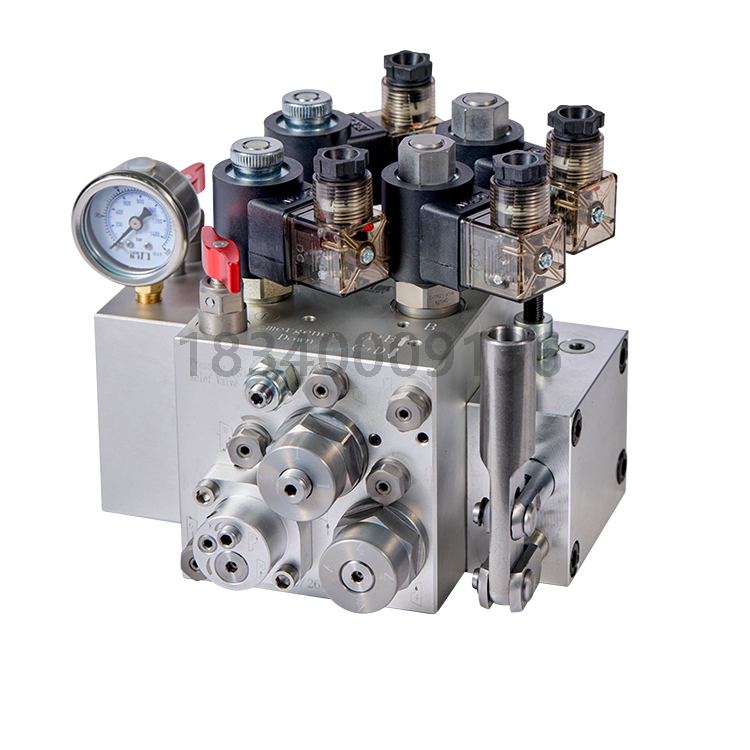
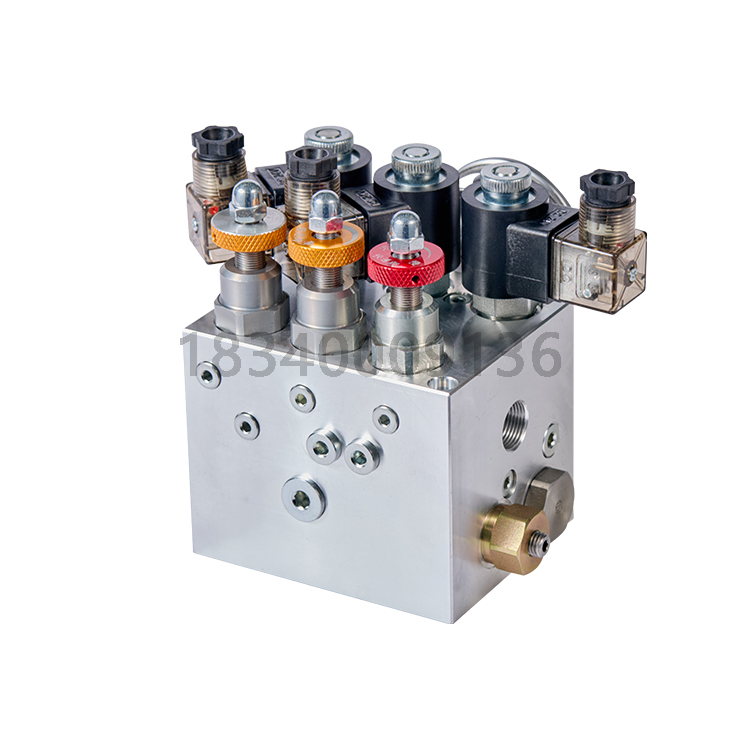
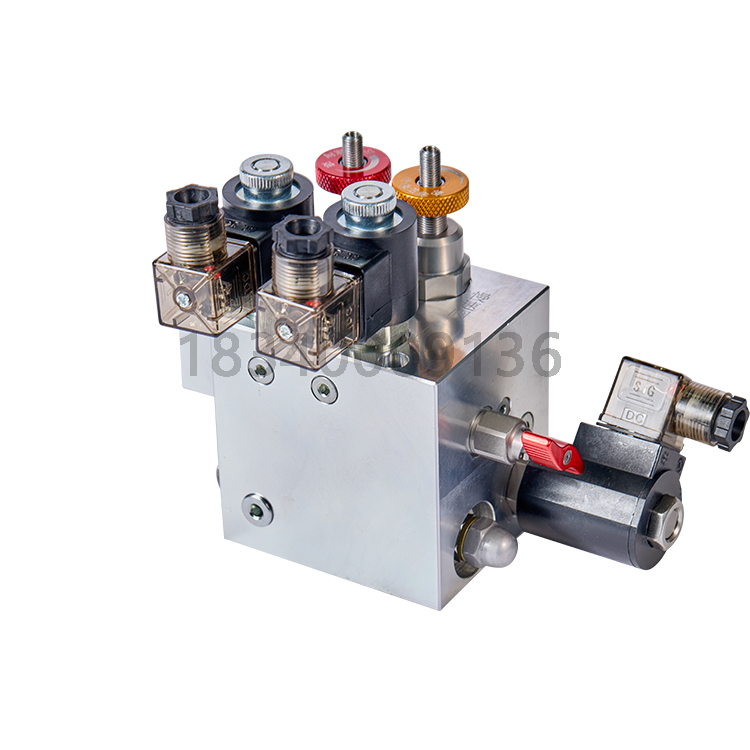
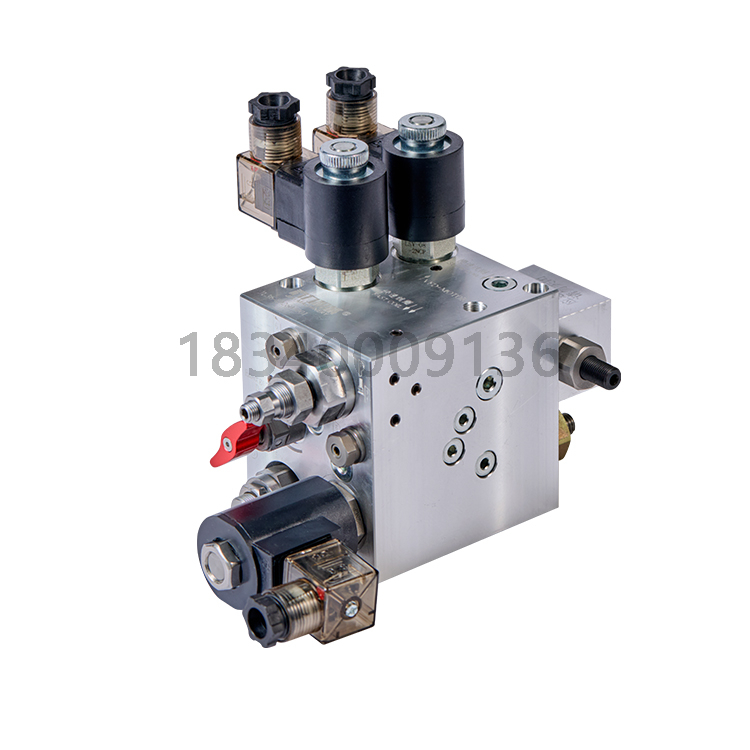
Double Speed Buffer-type Four Valve (JL90)
- Ascend: Controlled by two ascending valves
- Descend: Controlled by two descending valves
- Maximum speed: 0.35m/s
- Maximum flow: 80-120 LPM
- Working pressure: 10~100bar(116~1450psi)
- Rate oil temperature: 0℃~60℃
- Recommended Hydraulic Oil: 0°C to 30°C: ISO VG 32,L-HM 35°C to 50°C: ISO VG 46,L-HM
- Coil voltage: DC24V、AC110V、AC220V、DC12V
- INQUIRY
This is a new hydraulic elevator control valve without VFD to control the elevator. It operates stably, reliably, and precisely even under extreme loads and large temperature fluctuations, featuring simple operation and commissioning. The combination of lifting control valves and pilot-operated control valves ensures stable elevator operation and accurate landing level position. The elevator achieves stable high-speed operation at 0.35 m/s, with a load capacity of 1000 kg. The innovative addition of the SRV function resolves the issue of steel wire ropes/steel belts coming off the rollers when they become loose during elevator installation and maintenance.
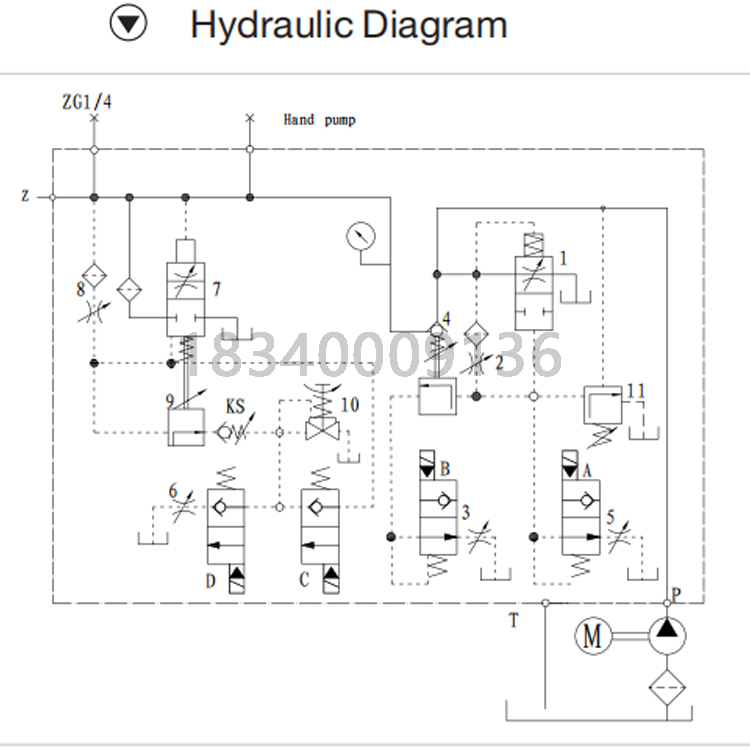
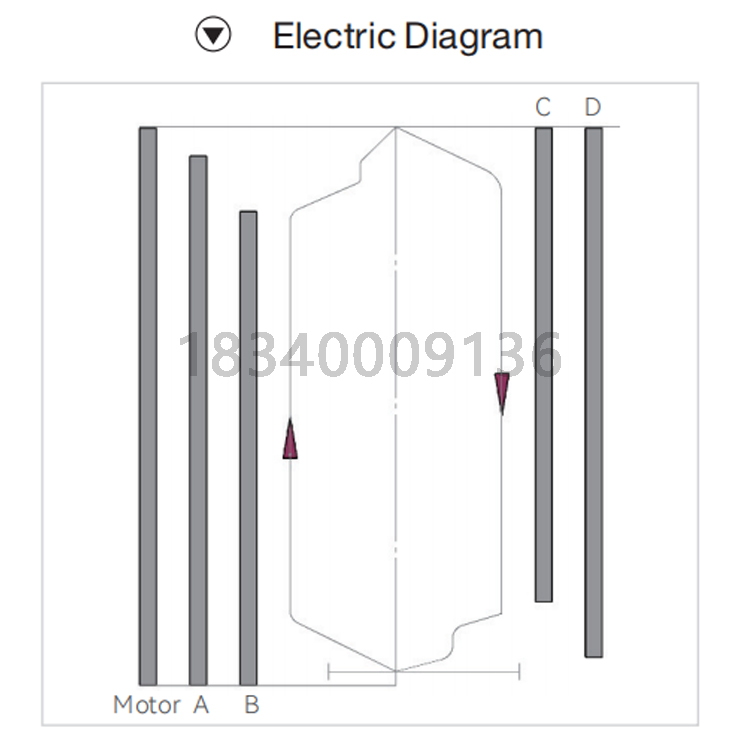
Ascend
The acceleration and deceleration process during ascent is controlled by dual pilot-operated control valves.
• After the motor starts, coils A and B of the pilot-operated co ntrol valves are energized, and the elevator begins to accelerate uniformly to a set speed.
• When the elevator reaches the preset deceleration point, coil B is de-energized, causing the elevator to decelerate uniformly to a lower speed.
• Upon arriving at the landing position, coil A is de-energized, and the motor stops operating after a delay of 1.5 to 2.5 seconds.
Descend
The descending process is controlled by dual pilot-operated control valves for acceleration control. When the lift receives a descending signal, coils C and D are energized simultaneously, and the lift begins to descend with uniform acceleration. Upon reaching the preset deceleration position, coil C is de-energized, and the lift decelerates uniformly to a slow speed. When it arrives at the leveling position, coil D is de-energized.

Categories
News
Contact Us
Contact: Jili Hydraulic
WhatsApp: 18865945000
Telephone: 18653164580
E-mail: jinanjiljixie@foxmail.com
Add: Jiyang District, Jinan City, Shandong Province